About INSS
Independent NeuroScience Services (INSS) was founded in 2016 to offer neuroscience labs an alternative to ready-made, one-size-fits-all microscopes. We build bespoke and highly customisable multiphoton systems that are tailored specifically to your experiments, budget, and lab environment. You get the performance and flexibility of a top‑end custom setup, typically at a substantially lower cost than a comparable commercial turn‑key system.
Our core model is what we call “Assisted DIY”. We take care of the design, procurement, pre‑assembly, integration, and installation work, and you get a custom-designed microscope that is as flexible and expandable as any DIY or homebrew multiphoton setup you’ve worked with in the past.
-
What You Can Expect From Us
Collaborative design process
We start with your scientific requirements: experimental procedures, preparations, fluorophores, lasers, current bottlenecks, and future plans. Together, we co‑design a system architecture (scanheads, detection, photostimulation, FLIM, etc.) that matches those needs perfectly.Complete assembly and integration (without the lock‑in)
INSS takes responsibility for specifying and sourcing system components, preassembling major submodules in our workshop, and integrating hardware and software (ScanImage + vDAQ) before shipment. On site, we complete the assembly, optical alignment, system integration, calibration, and initial validation so that you end up with a fully working bespoke prototype, not a pile of parts.Training and remote support
During installation we train your initial users on operating the microscope, establishing standard workflows, and carrying out routine maintenance. After installation, we provide ongoing support via email and Zoom for troubleshooting, configuration changes, and incremental upgrades.Project Management
You do not have to manage dozens of individual orders and deliveries. We handle almost all procurement and logistics, then ship a largely preassembled system. The only items we ask you (or your institution) to provide are the ultrafast lasers, the anti‑vibration table, and any laser and blackout enclosures required by your local safety rules.
What We Expect From You
To make an Assisted DIY system a success, we ask for two key commitments.
A hands‑on, tech‑affine mindset
Our systems are highly capable and flexible, but they are not set-and-forget black boxes. We expect our clients to be comfortable with a little bit of optics and electronics, and to handle first‑line troubleshooting in‑house with our guidance. For some of the more advanced systems we strongly recommend that the lab nominates a postdoc or staff scientist to act as a “superuser”, who becomes the internal technical owner of the microscope. This person will be our main point of contact for technical support, takes charge of routine alignment and basic maintenance, and trains other users locally.Realistic expectations
INSS is a specialist micro‑enterprise, not a large service organization. We do not bundle annual on‑site service contracts or promise frequent on‑site engineer visits; instead, we focus on robust design, clear documentation, and responsive remote support, with occasional in‑person visits when truly necessary.
Benefits of the Assisted DIY Model
For the right lab, the Assisted DIY approach offers several key advantages:
A system tailored to your science
Every build is a bespoke prototype shaped around your specific experimental questions: e.g. 2p/3p, dual‑path photostimulation, FLIM, unusual geometries, or niche requirements. You are directly involved in design decisions, so the final system does exactly what you need, instead of 70% of what you need and 30% you never use.Lower total cost for high‑end capability
By using an Assisted DIY, modular architecture and off‑the‑shelf components, INSS systems typically come in around 30% below the price of comparable big‑vendor microscopes while matching or exceeding their performance.Long‑term flexibility and upgradeability
Because the system is open and documented, you can add or reconfigure modules (new detectors, scan geometries, optogenetics paths, etc.) over time. You are not locked into a closed ecosystem, fixed options list, or vendor‑only upgrades.Deep in‑house expertise
The superuser model and our open-design philosophy enable your lab to build genuine internal know‑how about the microscope rather than outsourcing everything to the vendor. That pays off in faster troubleshooting and better experimental design.
Honest trade-offs
The Assisted DIY model is not for everyone, and we prefer to be upfront about that.
Not a “plug‑and‑forget” black box
If you prefer to unwrap the system, turn the key, press a single button, and never think about optics, electronics or software again, then a conventional multiphoton microscope with comprehensive service plan from a large vendor may be a better fit.You carry first‑line responsibility
Day‑to‑day stability depends on your superuser keeping the system aligned, clean, and well maintained. We are available to help, but we cannot replace an internal technical owner.
Labs that like to work this way gain not only a powerful, flexible, and cost‑effective microscope that fits their science perfectly, but also a long‑term partnership with a team that has deep and long‑standing experience in custom multiphoton systems and is genuinely excited about assisting you and your team.
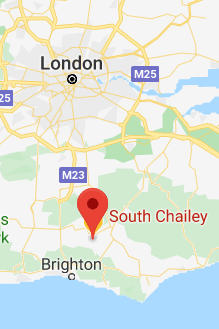
INSS is based in South Chailey, East Sussex, 40 miles South of London and 0.88 miles West of the Prime Meridian:
The INSS Team
-
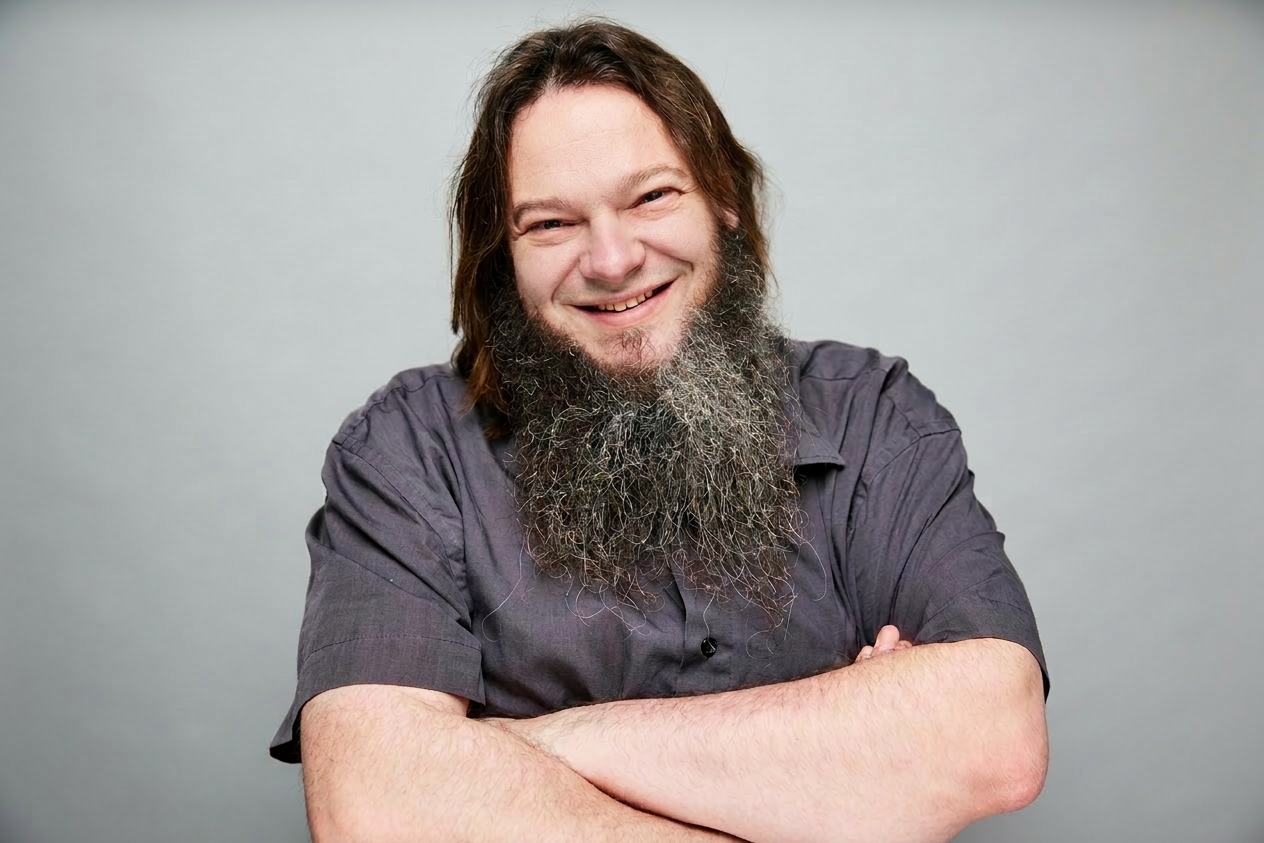
Bruno Pichler studied medicine and qualified as a physician before obtaining a PhD in neuroscience at Technical University Munich. He started using fluorescence microscopy for calcium-imaging more than 20 years ago as a graduate student in Arthur Konnerth's lab in Munich. He then worked as a postdoc in Thomas Mrsic-Flogel's lab at University College London and as a Senior Investigator Scientist in Troy Margrie's lab at the National Institute for Medical Research (NIMR). During this time, he built a wide variety of multiphoton microscopes and wrote software for instrument control, image acquisition, image processing, visual stimulation and data analysis. Bruno has taught imaging techniques at international courses including EMBO, CSHL and TENSS and has co-authored papers in Nature, Nature Neuroscience, Nature Communications, PNAS and other journals.
In 2013, Bruno joined Scientifica Ltd. as R&D Manager and worked with his team on the development of new products in Scientifica's multiphoton range (e.g. VivoScope, Chromoflex, HyperScope). He was the author of Scientifica's open-source image acquisition software SciScan which received the Microscopy Today Innovation Award 2016.
In 2016, Bruno Pichler founded Independent NeuroScience Services (INSS) to provide the international neuroscience community with bespoke hardware solutions and other consulting services.
Bruno is a Bluegrass music aficionado and performs regularly with several bands. His instrument of choice is the Dobro (a square-neck resophonic guitar, played in the lap steel style).An interview with Bruno can be found on Peter Rupprecht’s Blog.
-
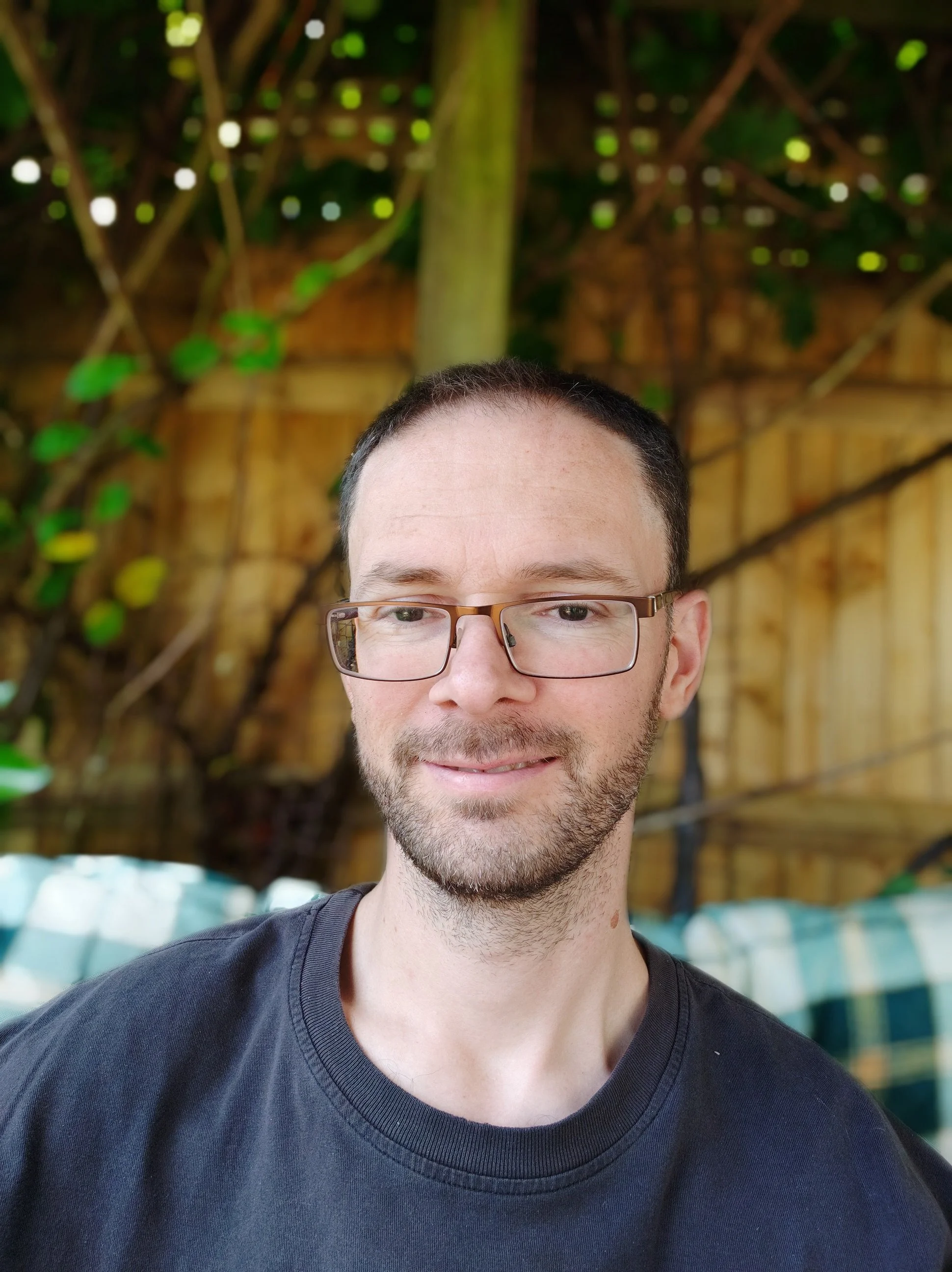
Lionel obtained a PhD in Biochemistry in 2007 from the University of Versailles (France), studying human olfactory perception, including expression and functional characterisation of olfactory receptors via calcium imaging. He then worked as a postdoc at Oslo university hospital (Norway) and Umeå university (Sweden) where he studied retrograde trafficking of toxin protein in cancer cells and replication mechanisms of viruses. He later moved to a lab manager position at University of Sussex (UK) working on biochemical aspects of hearing loss.
In 2016 Lionel joined Scientifica Ltd in an Application and Support role for multiphoton microscope systems, and was eventually leading the Support team.
In 2020, he joined INSS as an Application Scientist to provide service, support and tailored design solutions to clients and collaborators in the neuroscience community.
Lionel is a proud daddy, spending most of his non-working time taking care of his young daughter & son, amazed by their daily updated skill set!
-
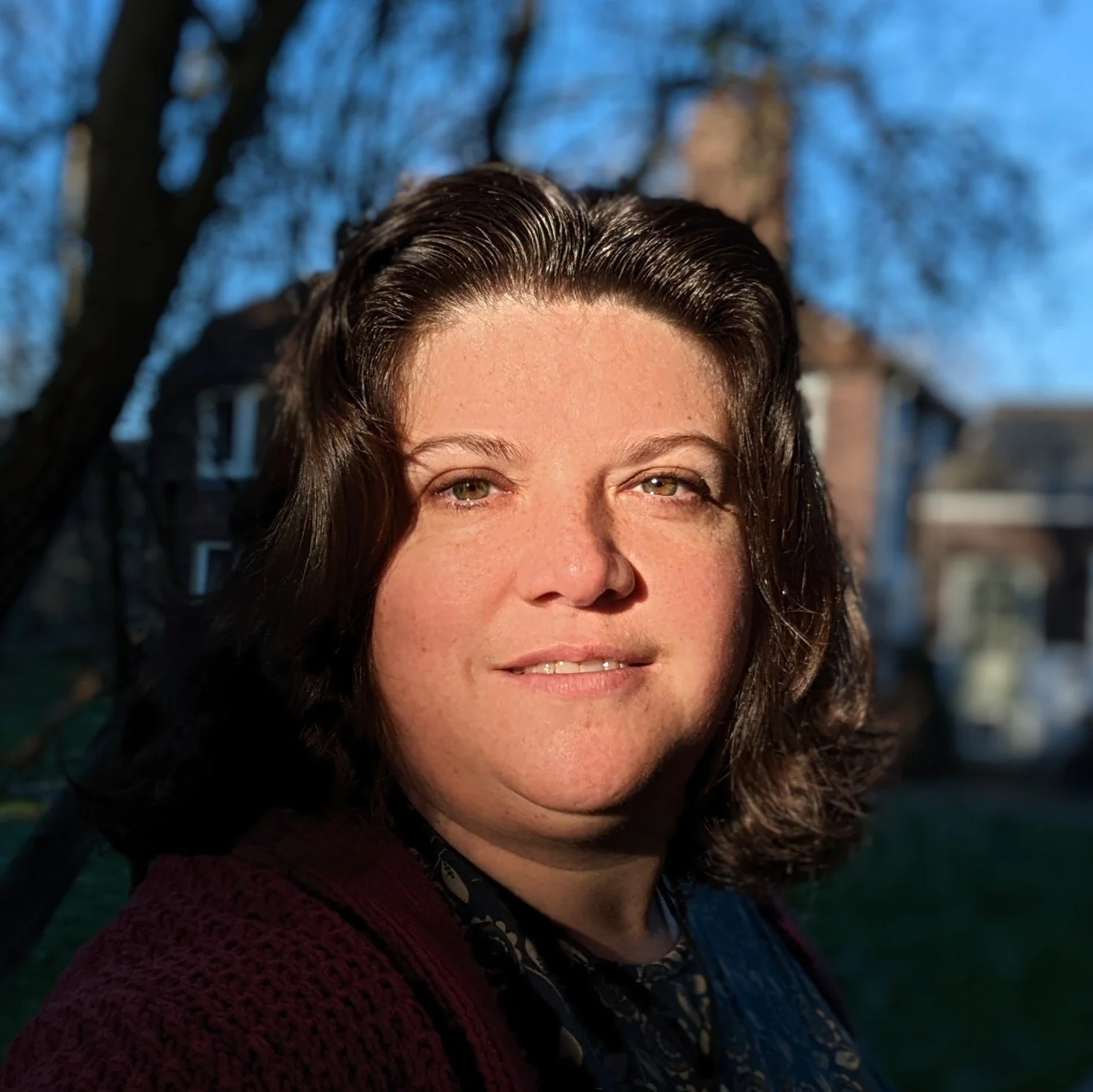
Doris Pichler holds a PhD in Freshwater Ecology, which she obtained from Queen Mary University of London in 2013. She coordinated and conducted fieldwork in England, Scotland and Iceland for her research on aquatic food webs. She later worked as an Operator Risk Assessor in the Agricultural sector. Before her maternity leave, she worked as a part-time postdoc at Imperial College London and Oxford University. She joined INSS in 2022 as an Operations Coordinator.
In her spare time, she enjoys beachcombing and mudlarking and then turning her found treasures into handmade silver jewellery.
-
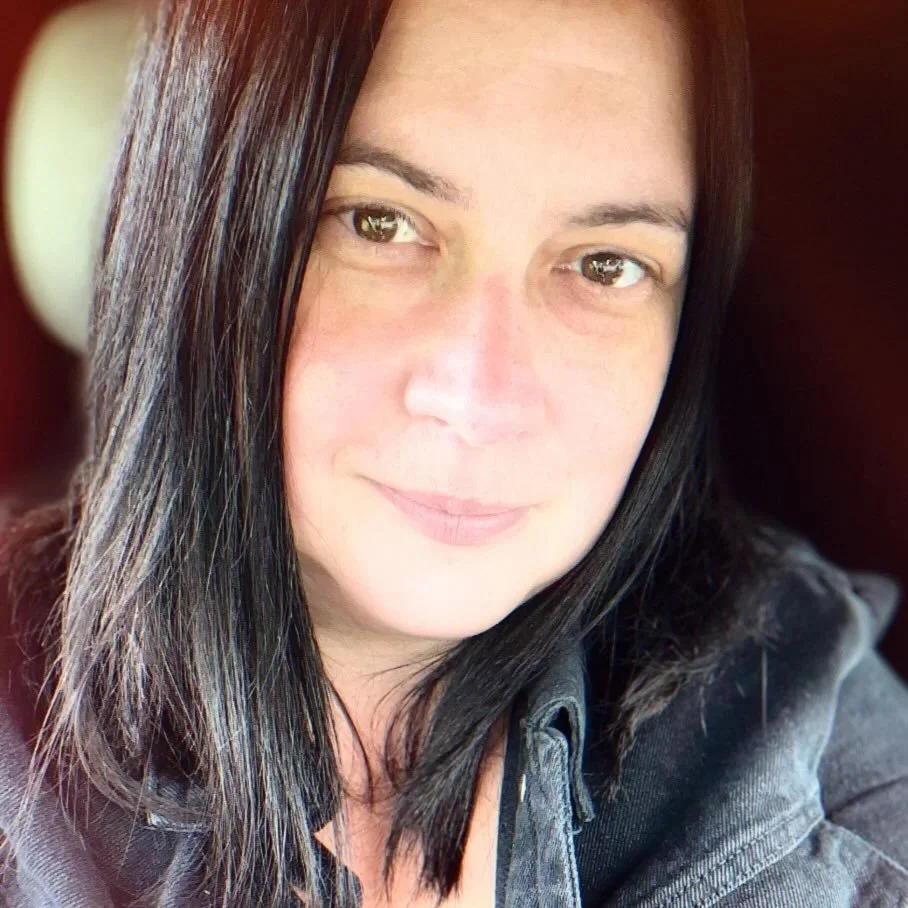
Eleanor has worked part-time at INSS since 2017 and manages day to day administration including; purchasing, finances, travel organisation, event planning and HR. Prior to working at INSS, Eleanor was a secondary school teacher for over 10 years but decided to change careers shortly after her daughter was born.
Eleanor is also a professional musician who previously performed worldwide with acclaimed bluegrass band ‘Midnight Skyracer’.
-
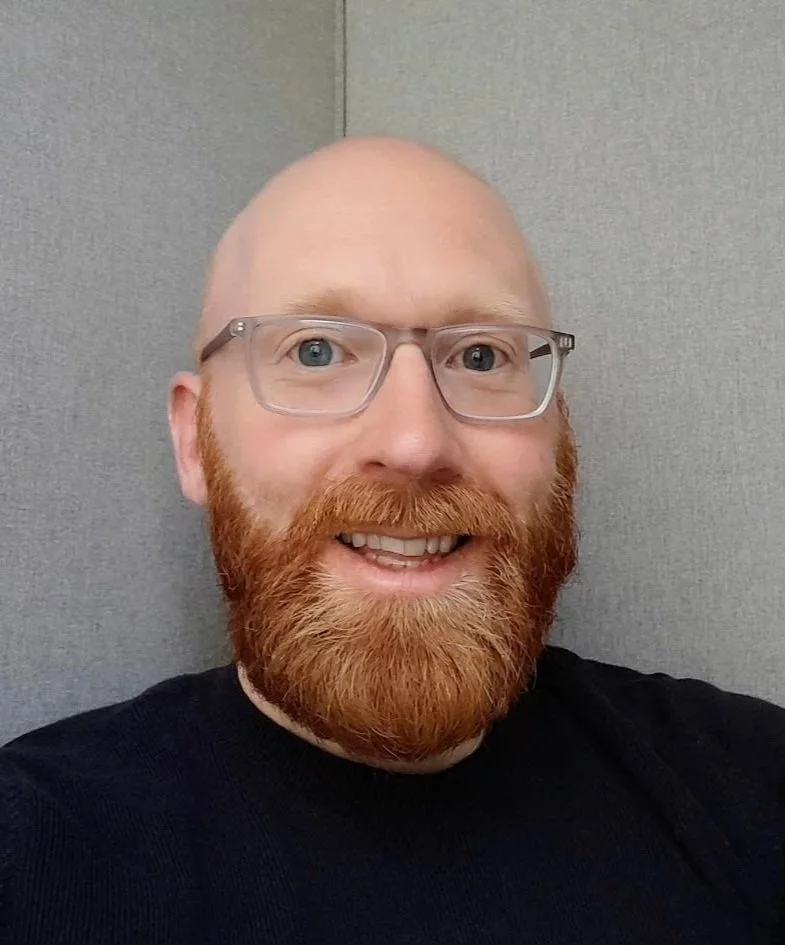
Simon’s role at INSS is to oversee the facility and stock management, planning, shipping and process management. He also assists with installations, service and support and sales administration. In previous roles in the microscopy industry, he has managed and coordinated a team of engineers to undertake installations and service visits worldwide, has been involved in sales teams and has worked on quality assurance activities including ISO 9001. Prior to his career in the microscopy industry, Simon worked at a sports manufacturing company having gained a BSc in Business Studies and Sports Science at Brunel University, West London.
Simon enjoys playing (field) hockey and other sporting pursuits including running the 2019 London Marathon. He also enjoys walks in the Sussex countryside with his family, friends and his dog.
We operate worldwide and have served clients at world-renowned institutions including: